
The Muscan panel conversion set currently being prototyped as a personal project is a tribute to the legendary TVR Tuscan Challenge racing car from the late 1990s, which was regarded by drivers with a mixture of fear and awe.
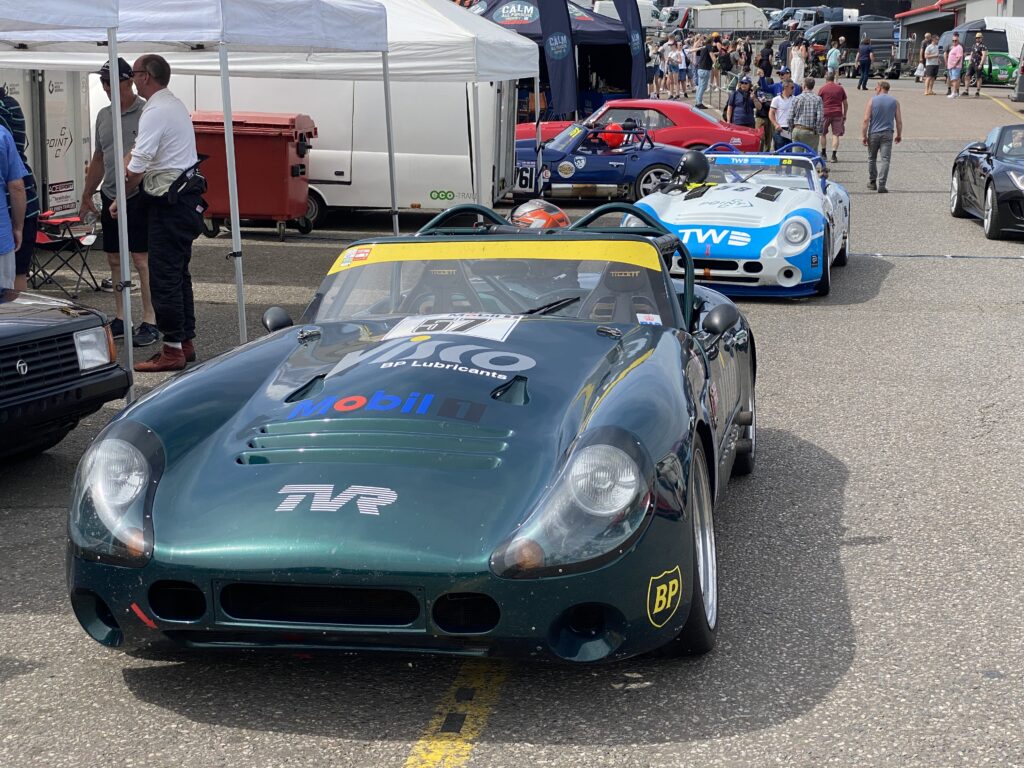
The Tuscan Challenge racing cars seem to us to be the best-looking TVRs ever, although that was more or less accidental. They were made purely to go fast, with not a single pretty design element.
Those drivers included Peter Wheeler, TVR’s owner, who said in an interview for one of my books on TVR, “If I’d known I was going to be driving the bastard things myself, they would have had half as much power and twice as much tyre.”
The Tuscans handled well, but not well enough for the power, so some of the crashes approached Nascar mayhem. It was magnificent racing.
Wheeler refused to make a road version of the Tuscan racer because that would be boring: it’s much more fun to create new designs, so there were never any road cars.
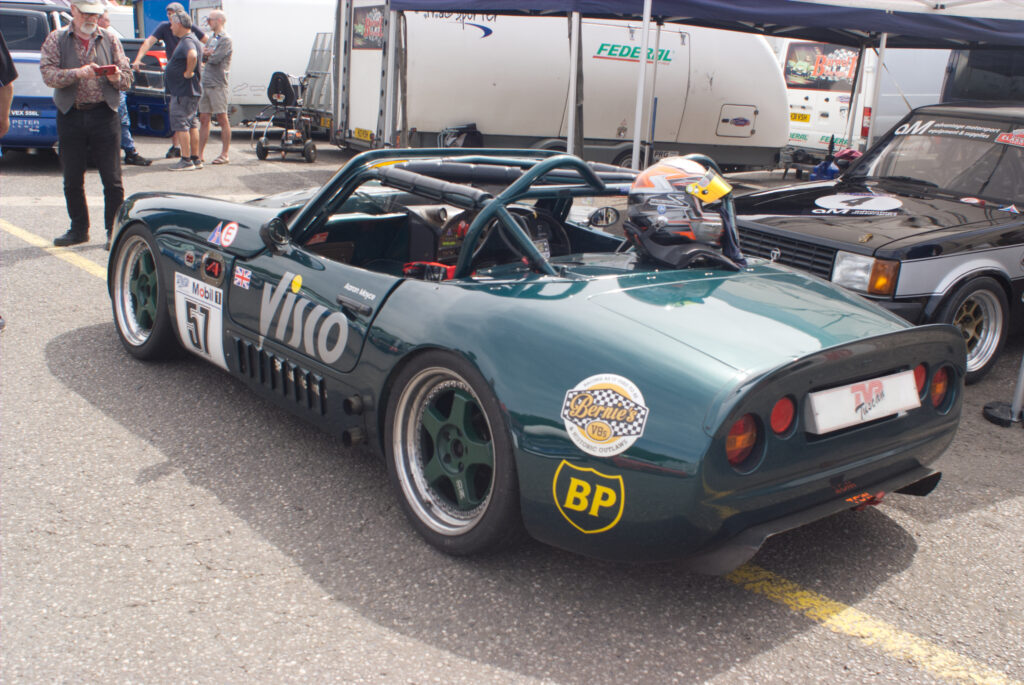
The Tuscan racers were developed from the TVR V8S cars of the 1990s, but in a simplified, more purposeful and more handsome style.
If you want a Tuscan racer, you have to make your own. So that’s what we decided to do: protoptype it, take moulds, make ourselves one car each.
The Muscan is a tribute and not a replica. None of the panels will be interchangeable with the original Tuscan. At first our plan was to convert 1990s TVRs, but the Chimaera project donor we bought is possessed by evil spirits and still refuses to start. TVRs are in any case quite rare, quite expensive, and as unreliable as Mazda Miatas are reliable. The NC is a much better base for a conversion project.
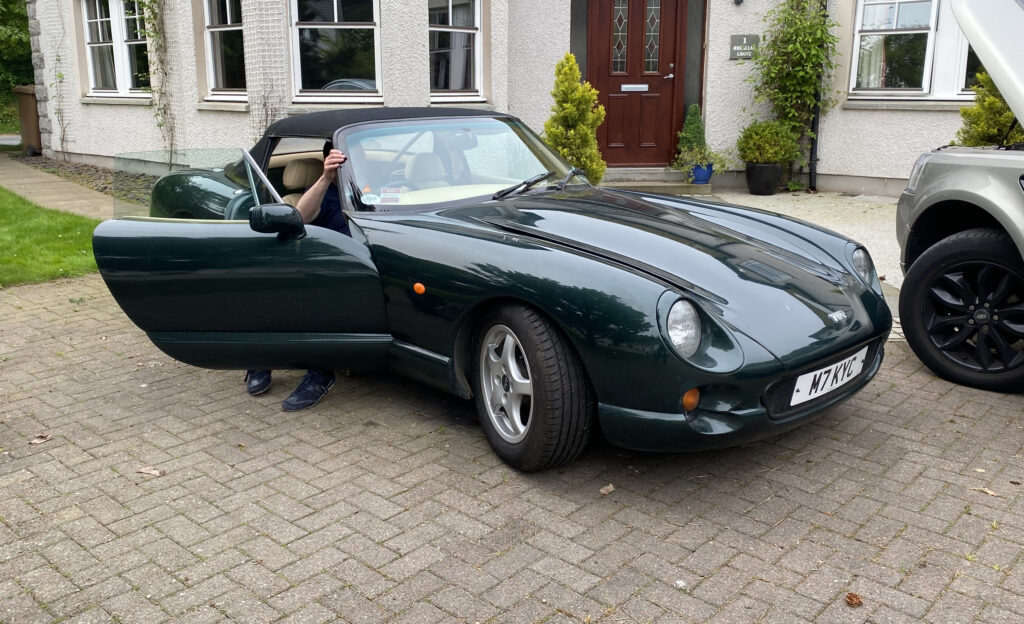
The TVR Chimaera originally bought for the project is haunted by evil spirits and will not start, despite having spark, compression and fuel, which defies the laws of physics. It has been replaced by a Mk3 or NC Mazda MX-5 which works a treat.
The Muscan body panel set will be bolted and bonded on to replace the Mazda’s external body panels. We will make no changes at all to the Mazda monocoque, so all the safety elements will remain in place. There will be no need for a nightmare IVA test.
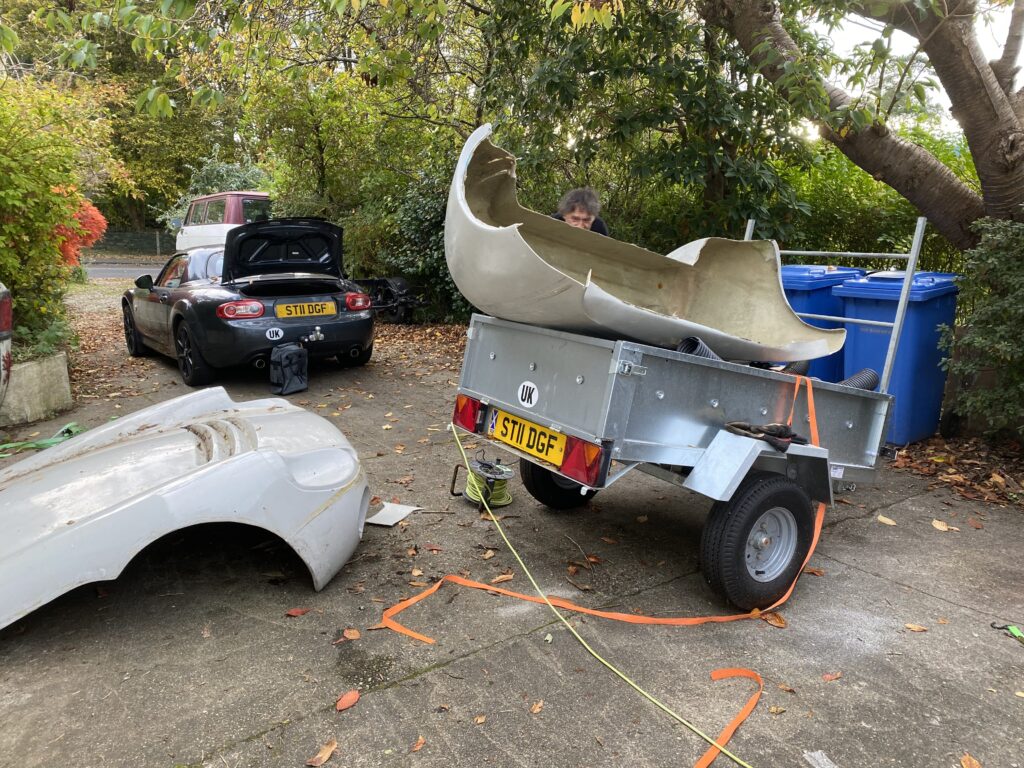
There is only one spare Tuscan Challenge body in the world, and we got it. The development work is taking place in Sweden, so my donor NC was fitted with a towbar and the panels loaded on to a lightweight trailer and driven over there.
As the Mazda NC monocoque is unchanged, the front and rear steel bumper structures and the door intrusion bars will all remain in place: the doors will also remain standard under the additional new skins. If anything, they will be stronger.
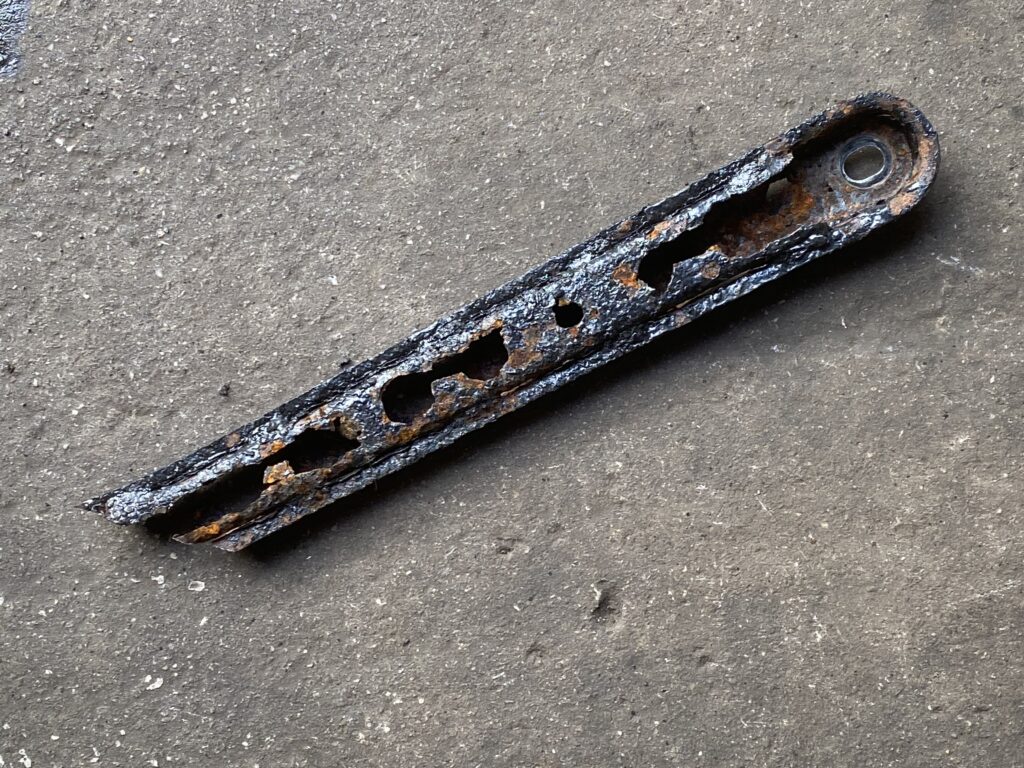
NC Miatas suffer from rust around their rear subframe, but it is replaceable. This is what remains of the subframe bracing bar: the rest of the car is actually very clean for rust.
The third-gen MX-5 offers an incredible amount of car for relative peanuts, as the NC models are now just old, but not yet seen as classic. Many people don’t like their mongrelised RX/MX look and their upscaled RX platform, but they are stronger, considerably faster, more comfortable and handle better than earlier Miatas.
We are bypassing the NC’s Marmite looks, but we will happily roll with the NC’s improvements over previous MX-5s, which are many.
The NC is based on the stronger RX8 platform, which means it is capable of handling the sort of serious power that puts it in the Tuscan ballpark. The 2005-2015 suspension remains adjustable for fine tuning or track use. NC MX-5s in road trim with standard camber and castor can pull 1.2 Gs in corners, astonishingly the same numbers as a 911GT3 or a McLaren 765LT.
Top speed of a 2-litre NC is 134mph, or 160mph with a Jaguar V6. It won’t catch a 190mph Tuscan, but that’s not the point: it’s a fine fast roadgoing sports tourer, now with some serious visual style added.
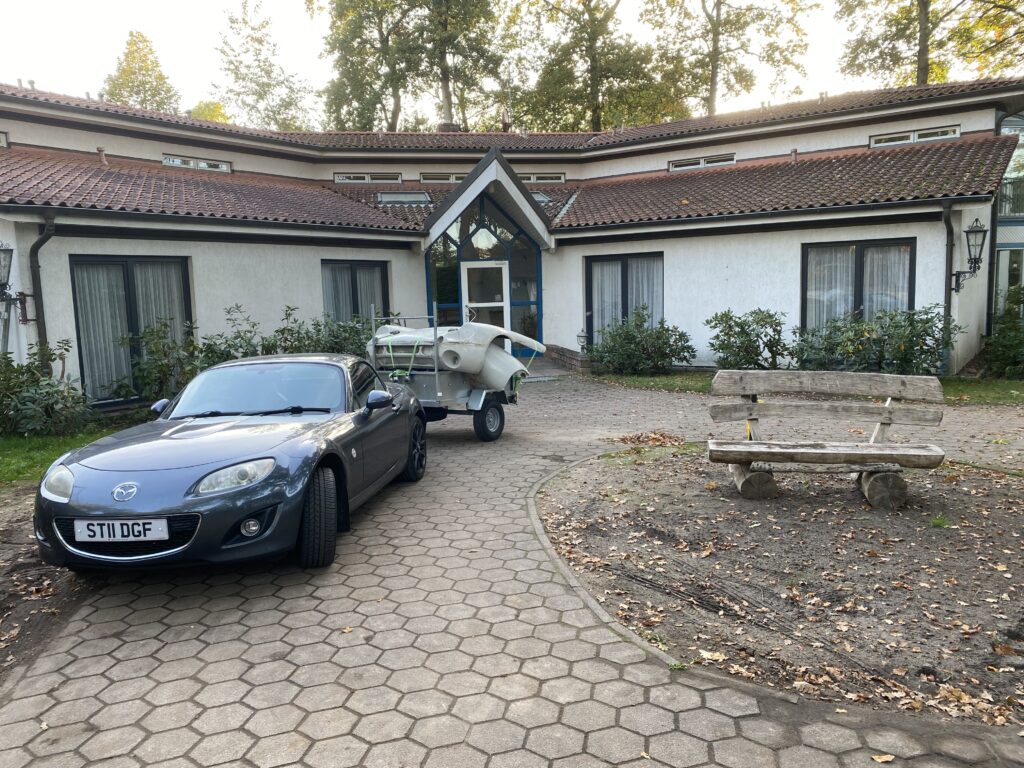
Buy a Miata, get it MOTed, drive it 1300 miles to Sweden a week later. No bother, and it achieved 35mpg, even towing the trailer with its dodgy aerodynamics. This is why we changed to a Mazda.
The two-litre NC already offers 160bhp which is plenty for most, but a simple 2.5-litre Duratec conversion and cam change gets 190bhp, then there are established 250-300bhp turbo conversions. There’s the 380bhp V6 option, and we are looking at a V8 conversion with more power than the original brutal Tuscan racers.
Part of the flavour of TVR is leather and walnut, but the right model of NC already has heated leather seats, and while the standard Mazda cabin ambience is rather heavy on the plastic, we are working on genuine walnut veneer interior upgrades to enhance the tone of the office.
It was obviously best to start the Muscan project with a solid car, so we had a local Land Rover restoration shop sort out our rust issues, and they are thinking about offering a service replacing the NC’s rusting rear subframe with a good one or a new one, with all other rust patches welded solid, then cryoblasting and anti-rust coating. This would also be a fine idea for NCs that remain standard.
Ayrspeed in the UK is Iain Ayre on iain@ayrspeed.com or 01436 653380.
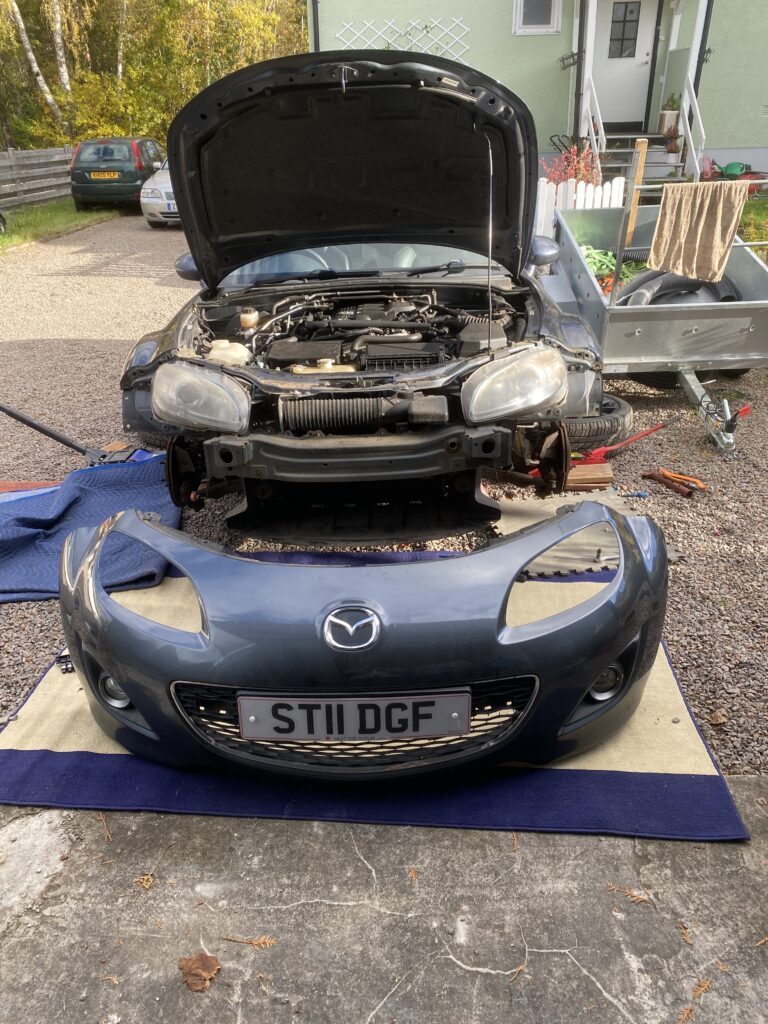
The original building design of the 3rd gen MX in big pieces made it quick and easy to assemble, and also quick and easy to disassemble.
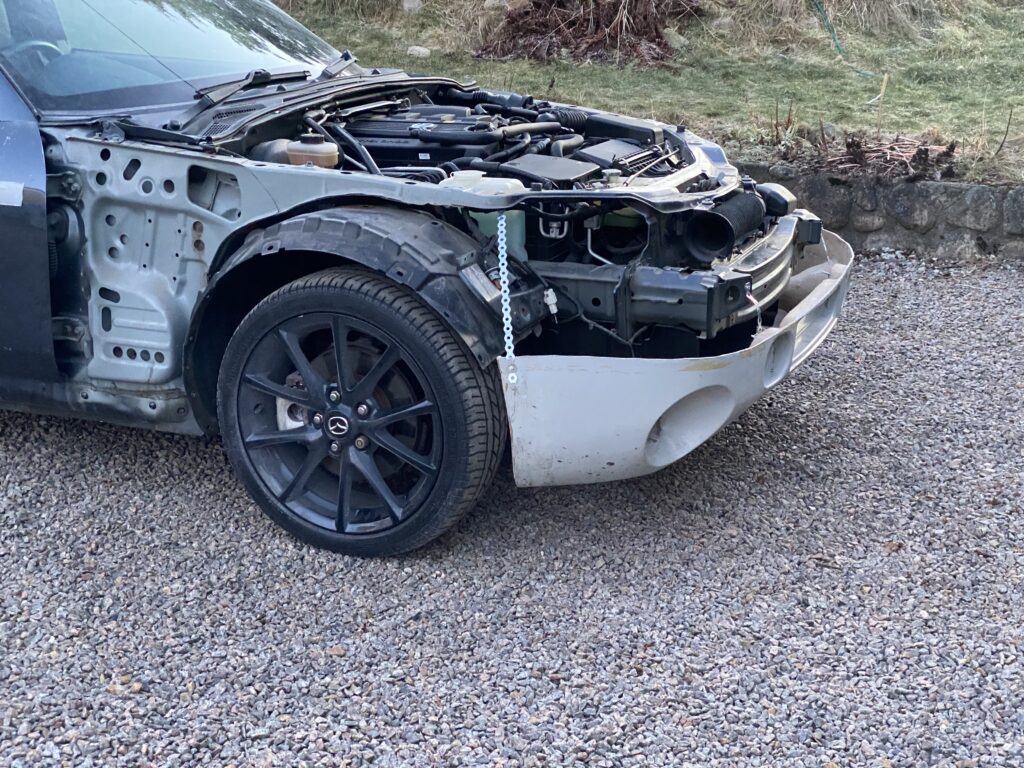
This would be the perfect place for the front valance, but the TVR is mid-front-engined while the Miata is front-engined. The valance has to move forward.
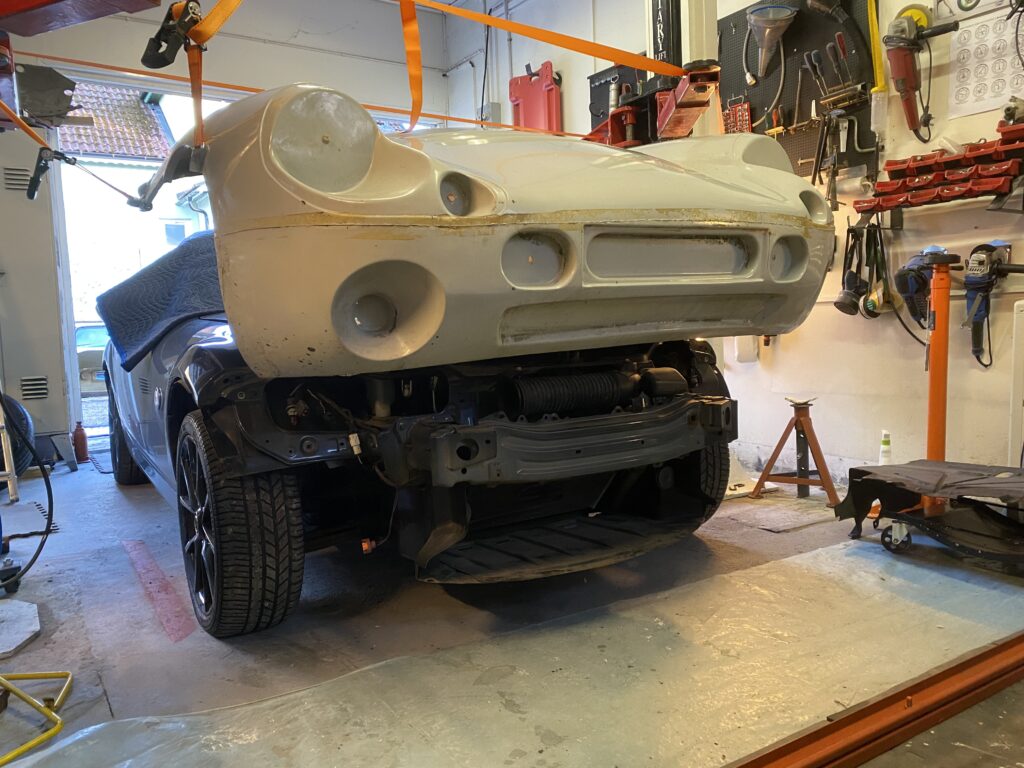
The design is do-it-by-doing-it. The bonnet is lowered inch by inch on the hoist. There is a best possible position, which we have to find.
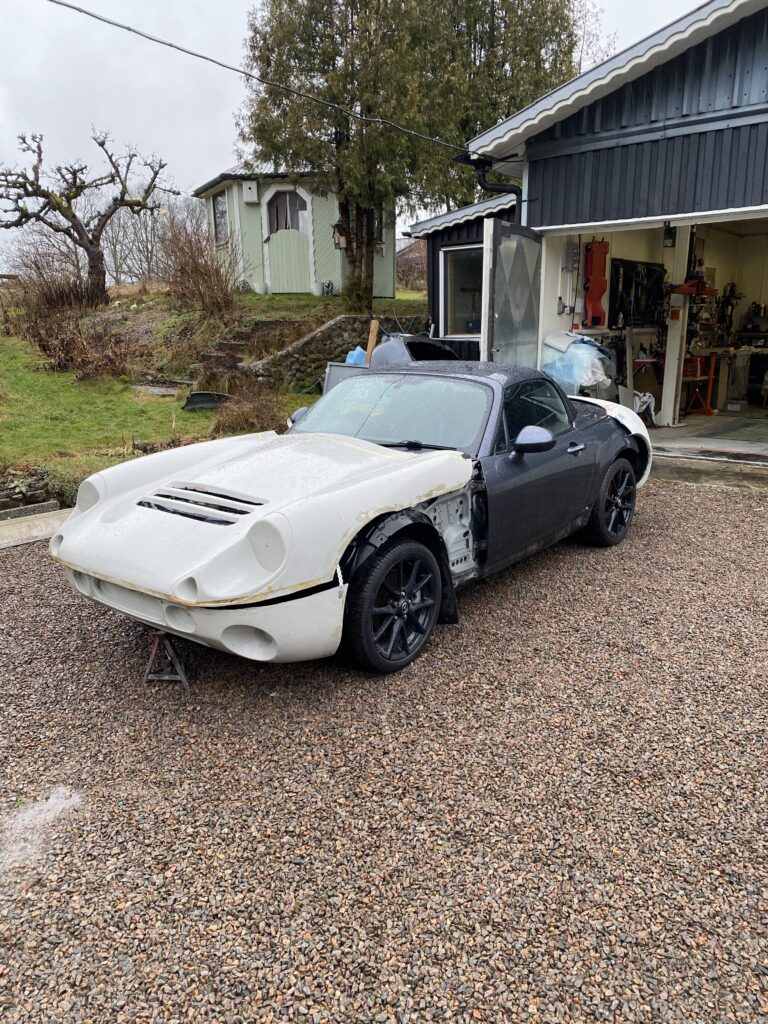
Not bad, but the bonnet is still fouling the front of the engine, and we want to use the original bonnet hinges and latches. More work and thought is needed.
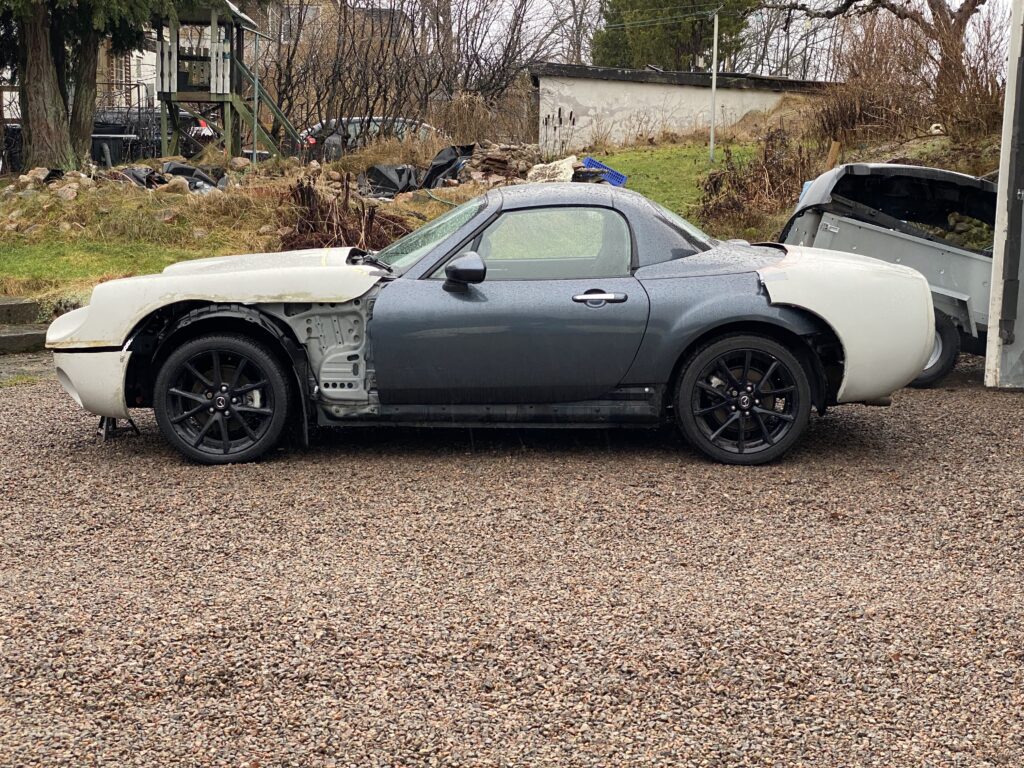
Okay, that is going to work. It will still take a lot of design and much grunt work with fibreglass sheet and filler, but it is going to look pretty sweet.
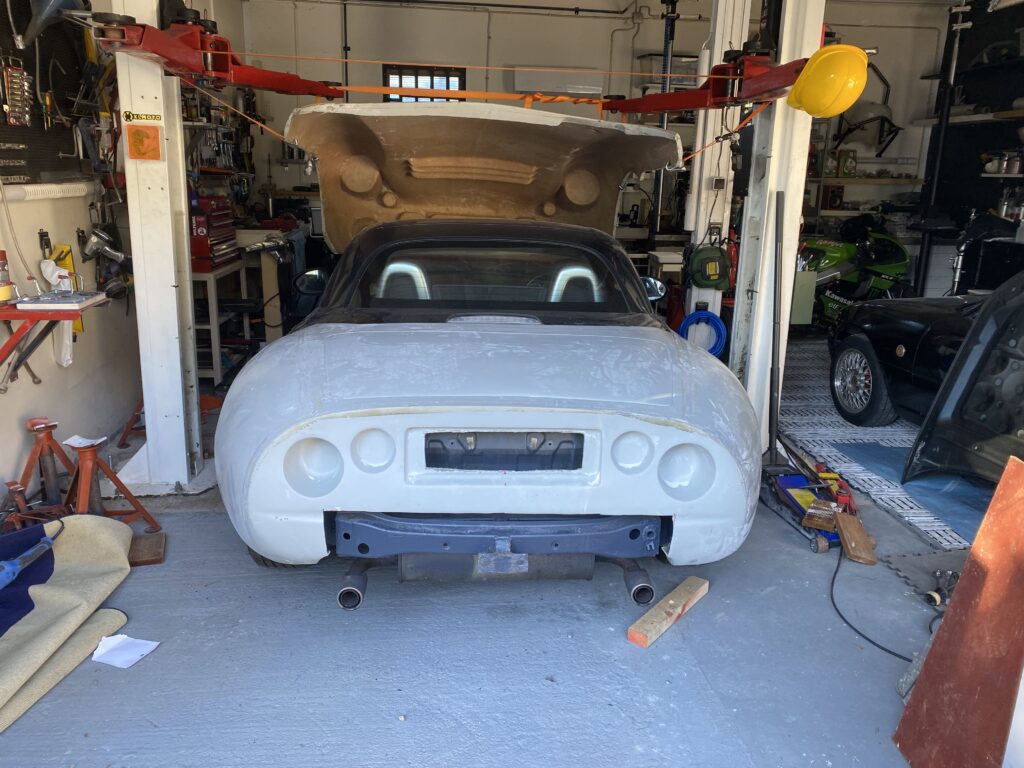
The back end is slightly bigger than the MX-5rear wings which we are keeping for structural reasons, as they are part of the monocoque. The TVR had no bootlid so we have to make one.
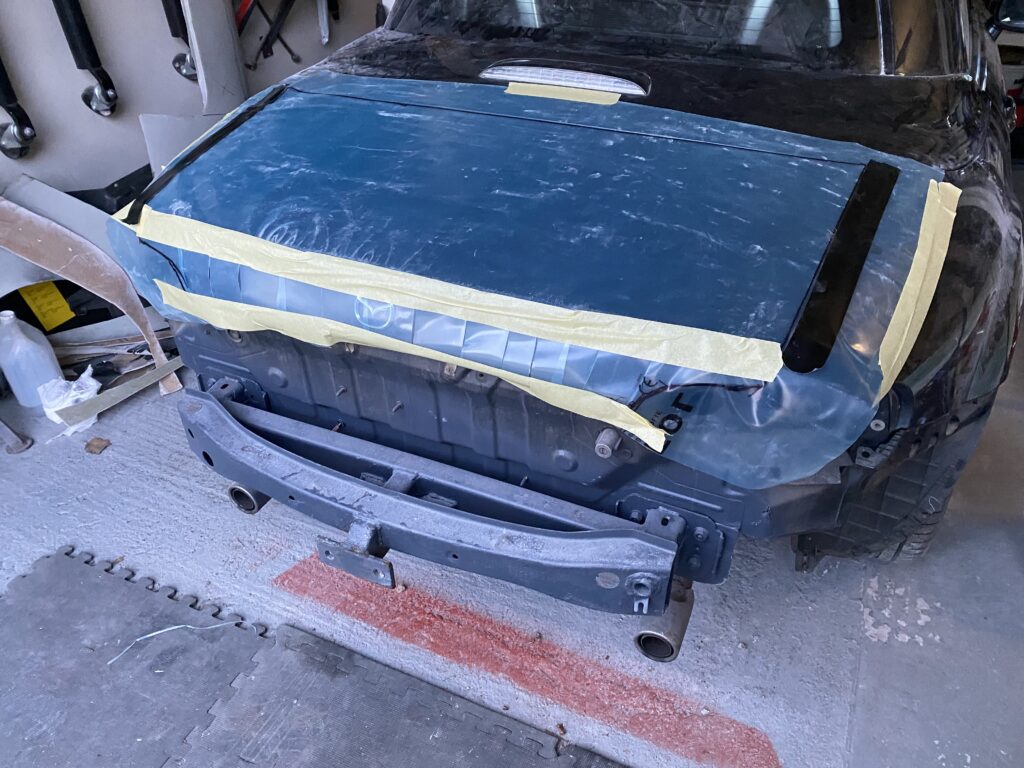
The new bootlid will be bonded to the old bootlid, to retain the full functionality of the MX boot, hinges and locks.
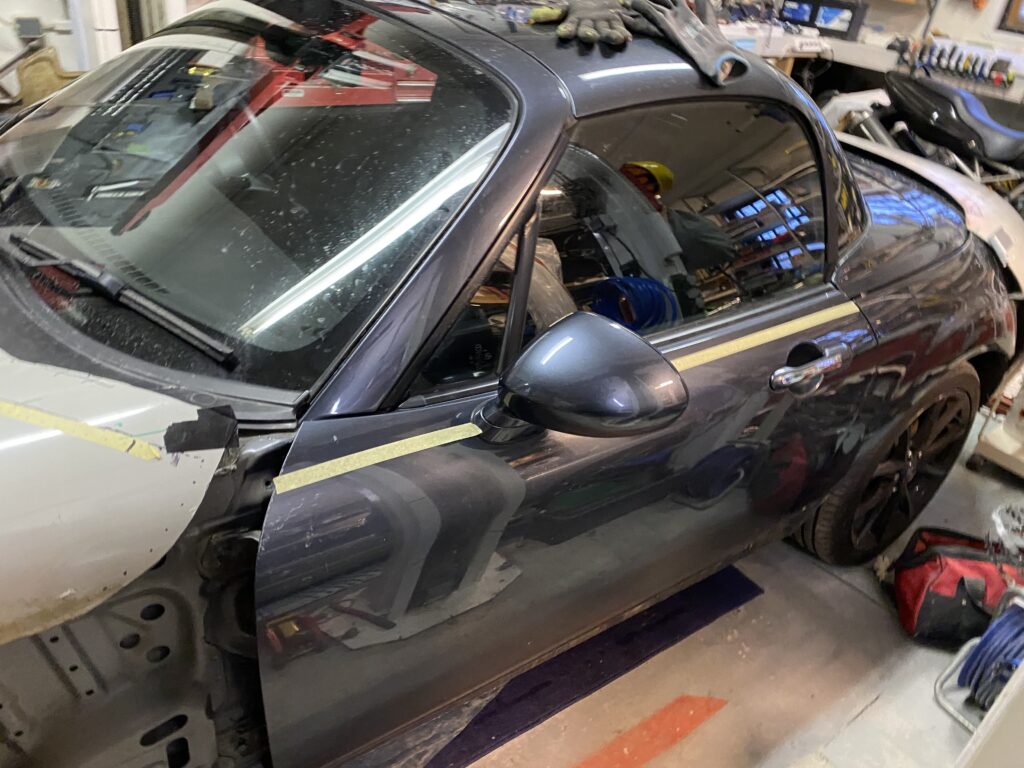
The doors will be skinned in GRP. We want to retain the standard electric mirrors, so the skin is going to have to be split. Tricky to figure out how, but this is the starting point.